Key takeaways
- Every color has an undertone that shows up next to other colors.
- North light is cool and blue, south light is warm and bright.
- Nearby colors and surfaces reflect onto the wall.
- Always test samples on the wall in your own light.
What undertones are
Every color has a hidden lean. A gray can lean blue, green, purple or beige. A white can lean yellow, pink or blue. These undertones are hard to see on a chip alone but jump out when the color is next to a different one, such as a white trim or a wood floor.
Comparing a paint color to a pure white sheet of paper can help you spot the lean.
How light changes color
North-facing rooms get cool, indirect light that can make colors look grayer and flatter, so warmer colors often help. South-facing rooms get warm, strong light that can bring out yellow tones. East rooms are bright in the morning and dull later, and west rooms glow in the afternoon.
Artificial light matters too. Warm bulbs add yellow, and cool bulbs add blue.
Reflections and surroundings
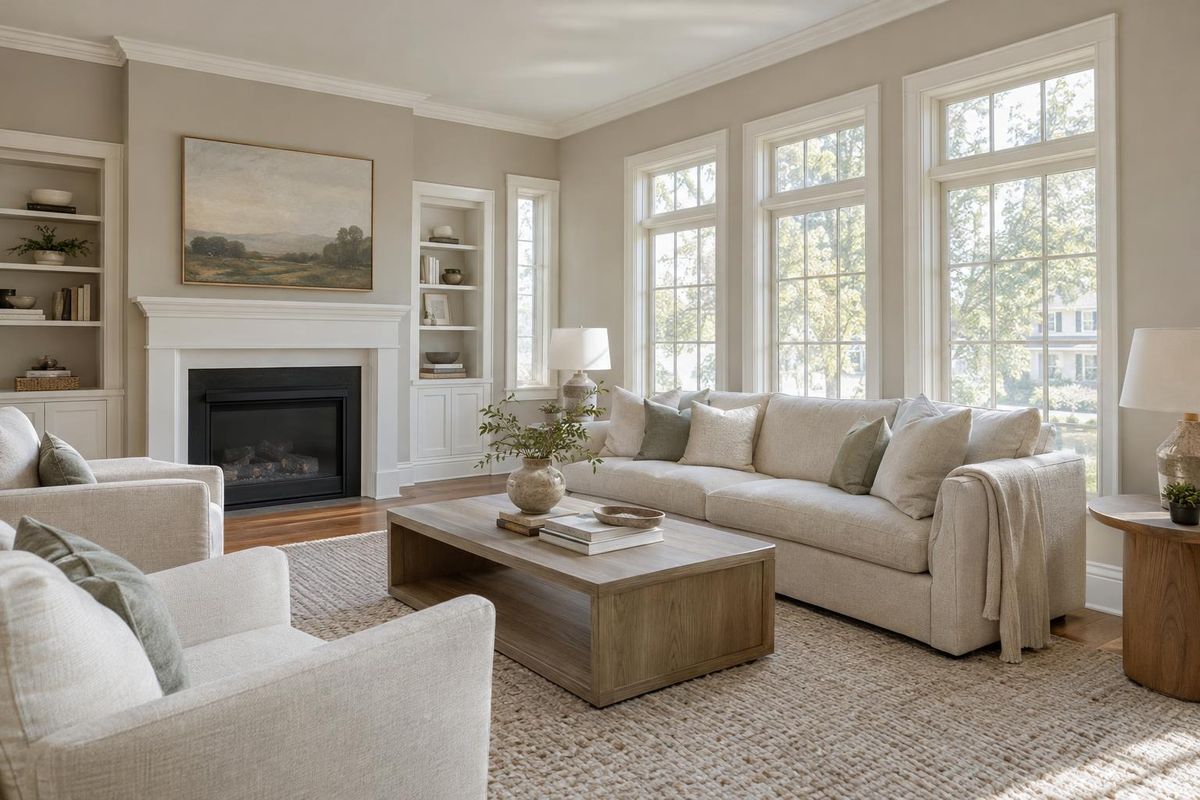
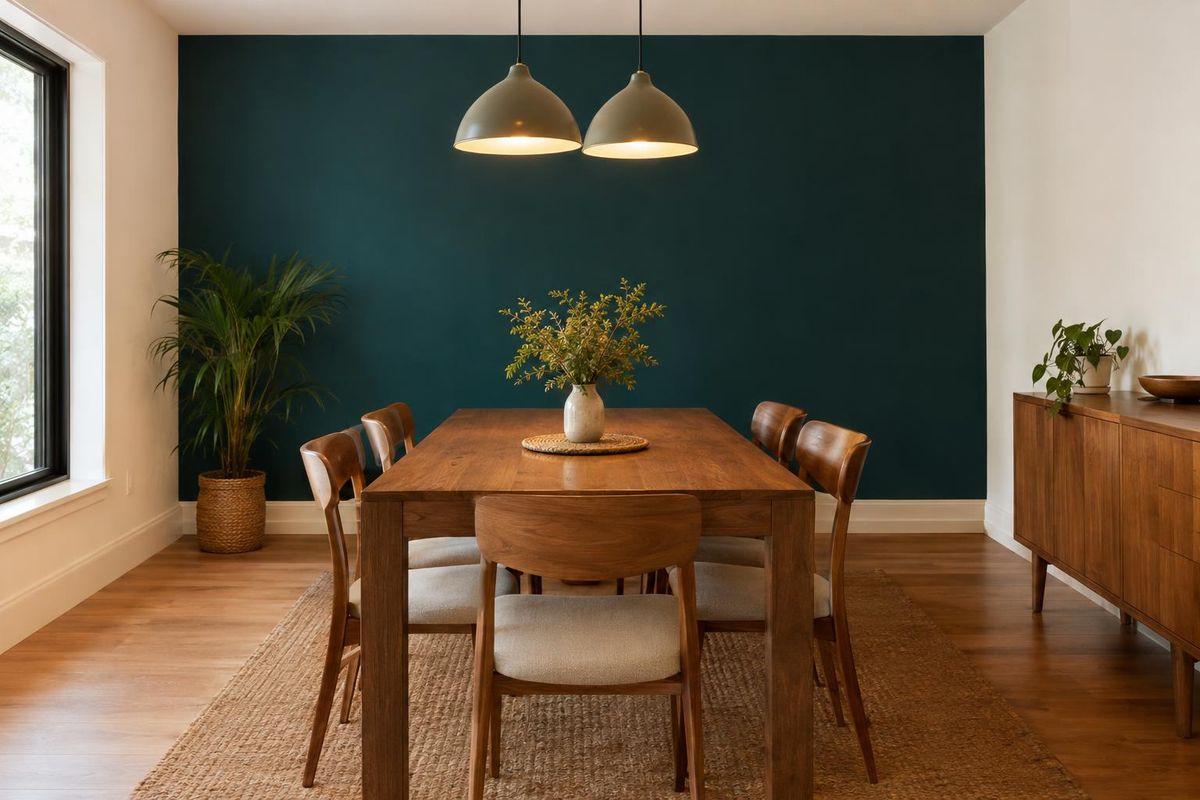
Green lawns outside a window can cast a green tint, and a red brick wall nearby can warm a room. Large furniture, rugs and floors bounce color onto walls.
That is why the same paint can look different in two rooms of the same house.
How to test
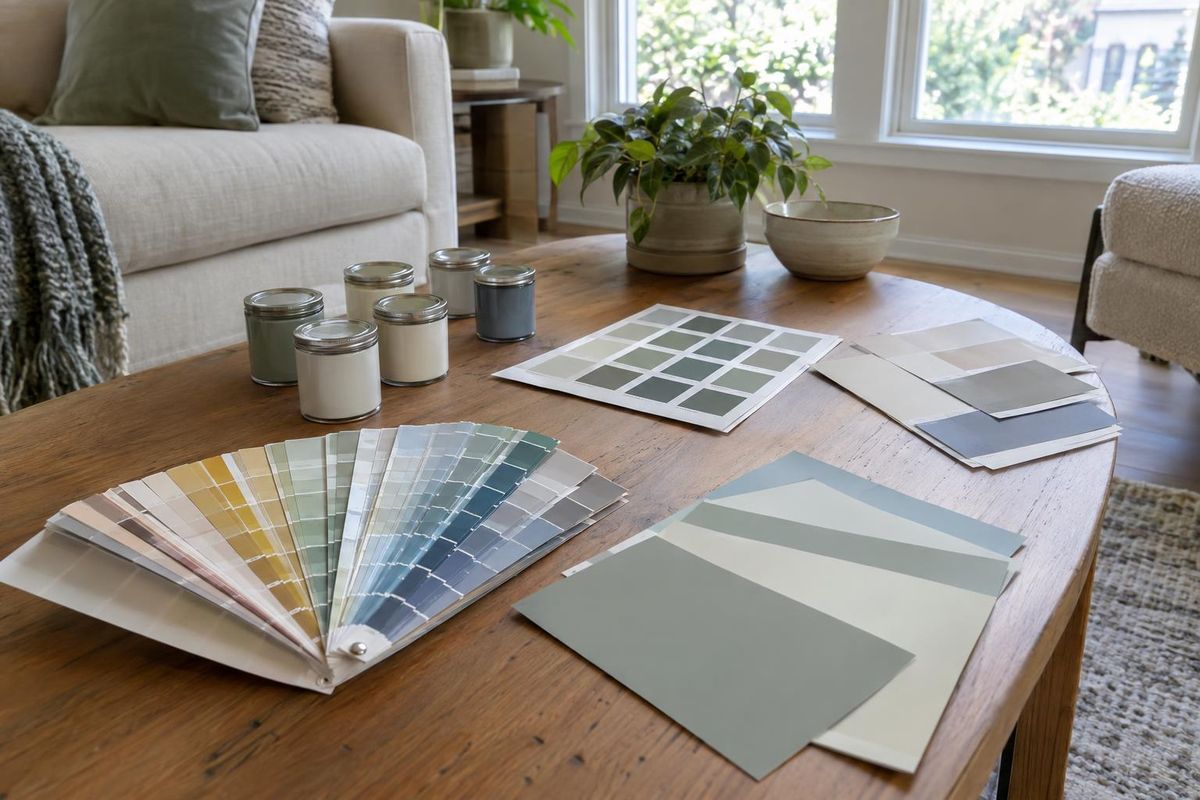
Paint large samples and check them at several times of day. Look at them next to your floors and trim. Choose with the light you really live in rather than a store's bright lights.
Our consultation includes testing samples in your home so there are no surprises.
Quick answers
Why does my paint look different from the chip?
Light, size, nearby colors and sheen all change how a color looks. Large samples on your wall tell the truth.
Which colors suit north-facing rooms?
Warm tones such as creams, warm grays and soft earthy colors help balance cool light.
Do light bulbs change paint color?
Yes. Warm bulbs add yellow tones, and cooler bulbs push colors toward blue.