Key takeaways
- Trim color frames the walls, so it has to suit their undertone.
- Ceilings are often flat white, but a tint or color can add warmth.
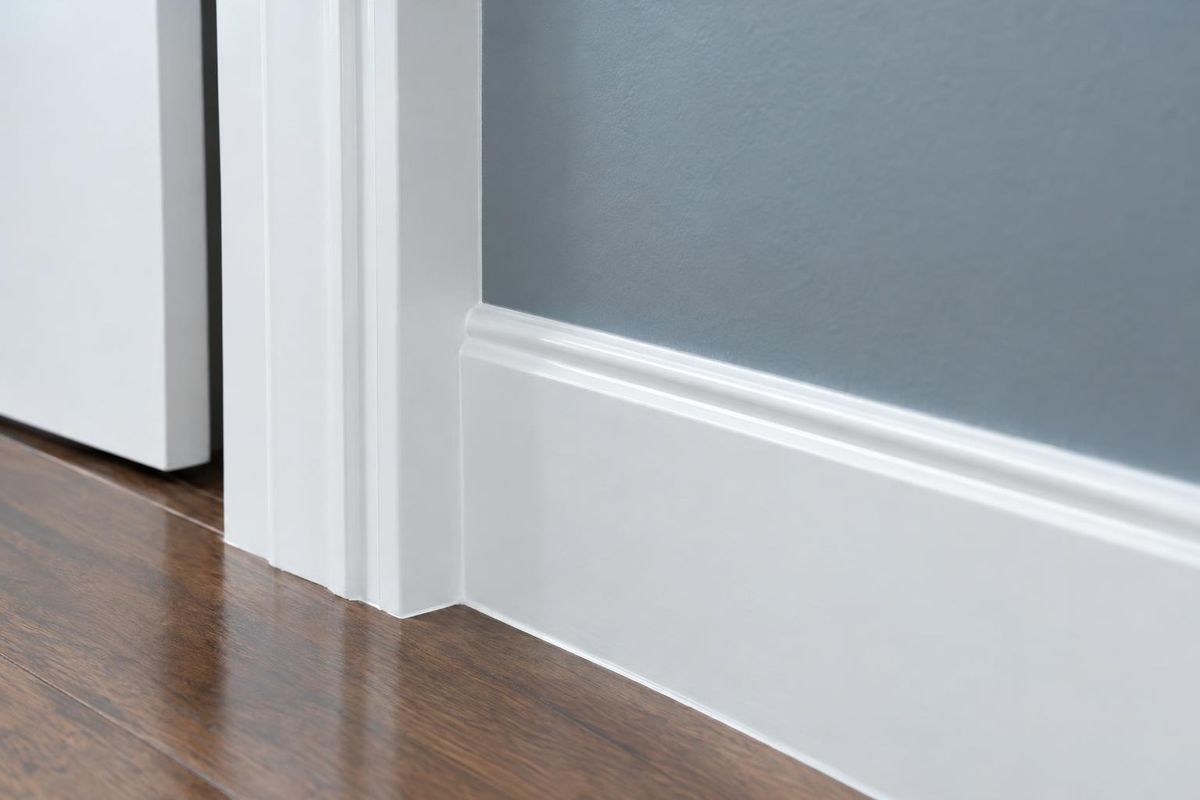
- Semi-gloss trim looks crisp, and satin is softer.
- Color-drenching walls and trim in one hue is a bold modern option.
Choosing a trim white
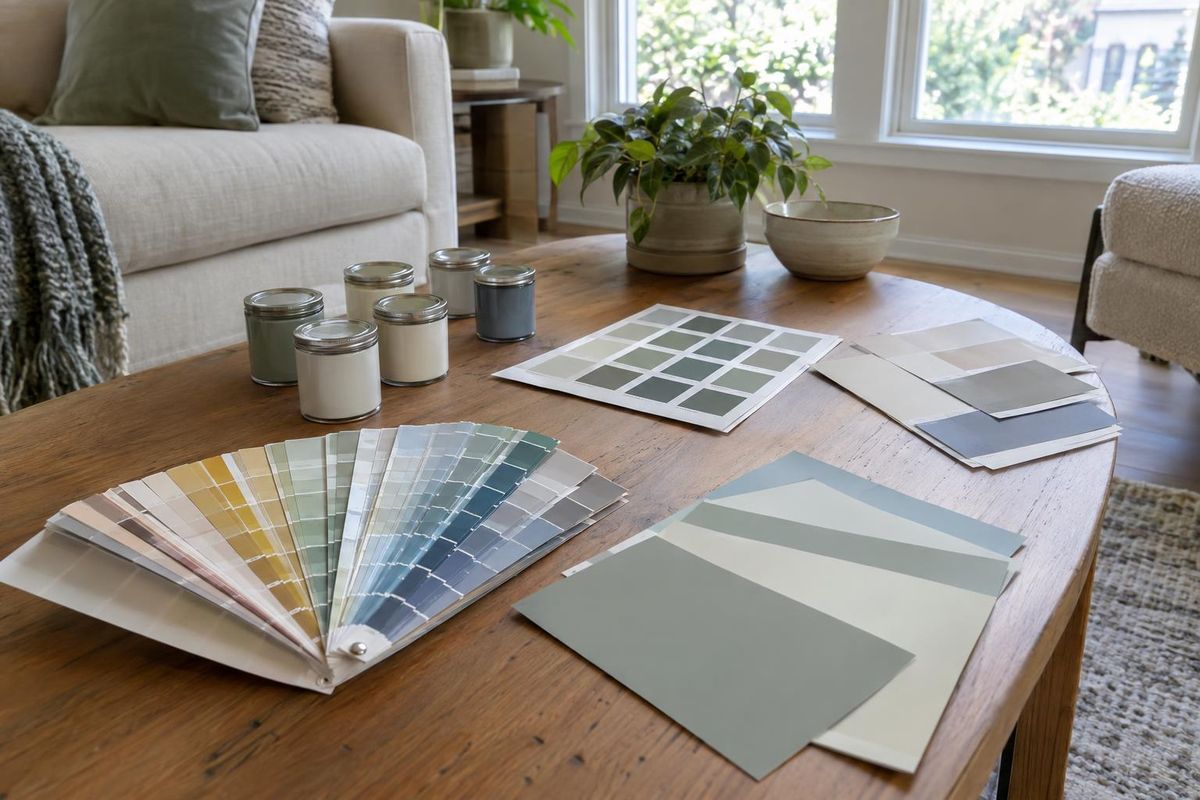
Whites range from warm creamy to cool crisp. A warm wall color usually pairs with a warm white, and a cool wall with a cool white. Test the trim white next to the wall color, because a mismatch can look dingy.
Pure bright white gives a clean, high-contrast look, while softer whites feel more relaxed.
Ceiling color
Flat white is the classic ceiling choice, since it reflects light and hides flaws. A ceiling tinted slightly toward the wall color feels softer, while a deep color can feel cozy in a small dining room or study.
Painting a ceiling a lighter version of the wall color often looks sophisticated.
Sheen for trim
Semi-gloss offers a crisp, durable edge, while satin is more subtle and hides flaws better. Doors often use the same finish as trim.
Good trim paint levels smoothly, so we choose products formulated for it.
Bolder options
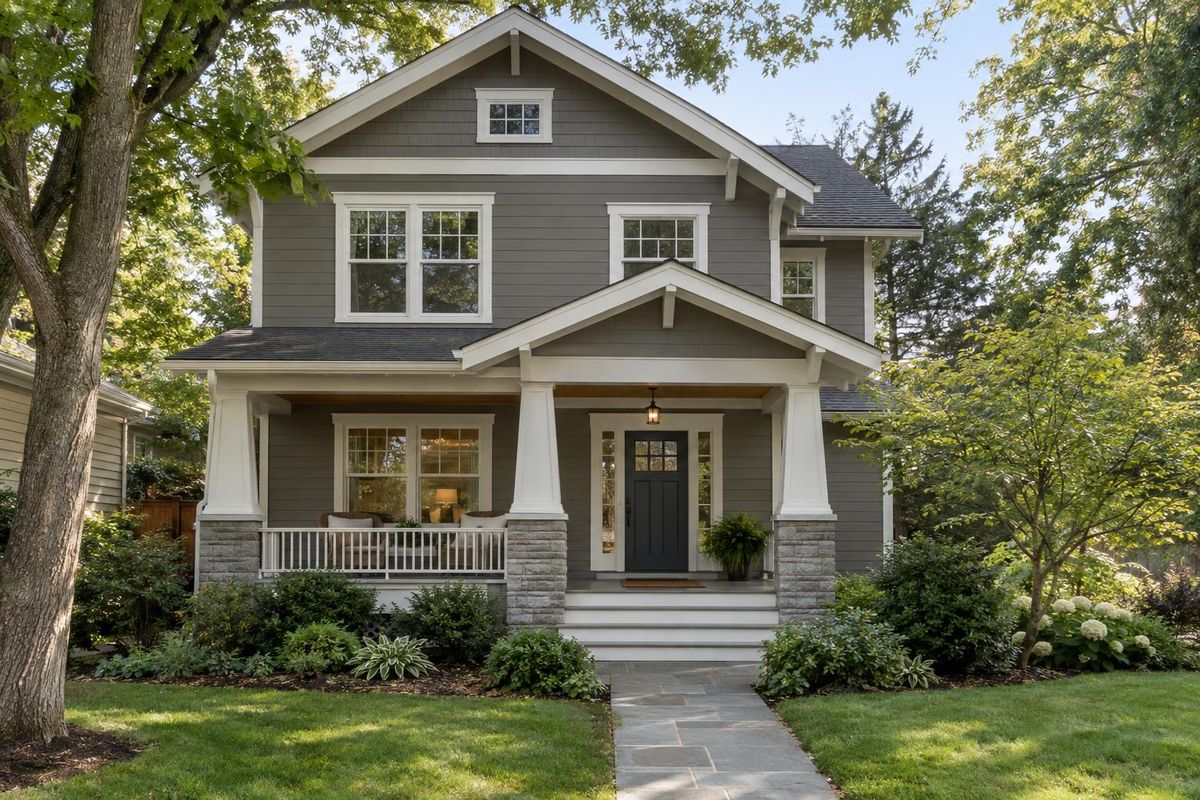
Painting walls, trim and ceilings the same color in the same or varied sheens, sometimes called color drenching, gives a calm, enveloping look. Dark trim against light walls is another strong option.
We can test any of these ideas on samples before you commit.
Quick answers
Should trim always be white?
No. White is classic, but trim can match the walls, be a soft tint or be a deep contrast.
Should the ceiling be the same white as the trim?
Not necessarily. Ceilings often use flat white and trim uses semi-gloss, and they can be different whites.
Does trim color affect room size?
High contrast trim defines edges, and low contrast makes a room feel softer and sometimes larger.