Key takeaways
- Measure the wall area, subtract large openings and divide by coverage.
- One gallon covers roughly 350 to 400 square feet per coat.
- Plan for two coats on most walls and extra for big color changes.
- Rough, porous or dark surfaces use more paint.
The basic math
Measure the length of each wall and multiply by the height to get its area, then add the walls together. Subtract about 20 square feet for each standard door and 15 for each window if you want precision. Ceilings are length times width.
One gallon typically covers around 350 to 400 square feet with one coat, which is the number printed on most cans.
Coats and color changes
Most walls need two coats of paint. Going from dark to light or light to dark may need primer and extra coverage. Deep, saturated colors often need more coats than neutrals.
Primer is calculated the same way, and a tinted primer can help with big color changes.
What changes the amount
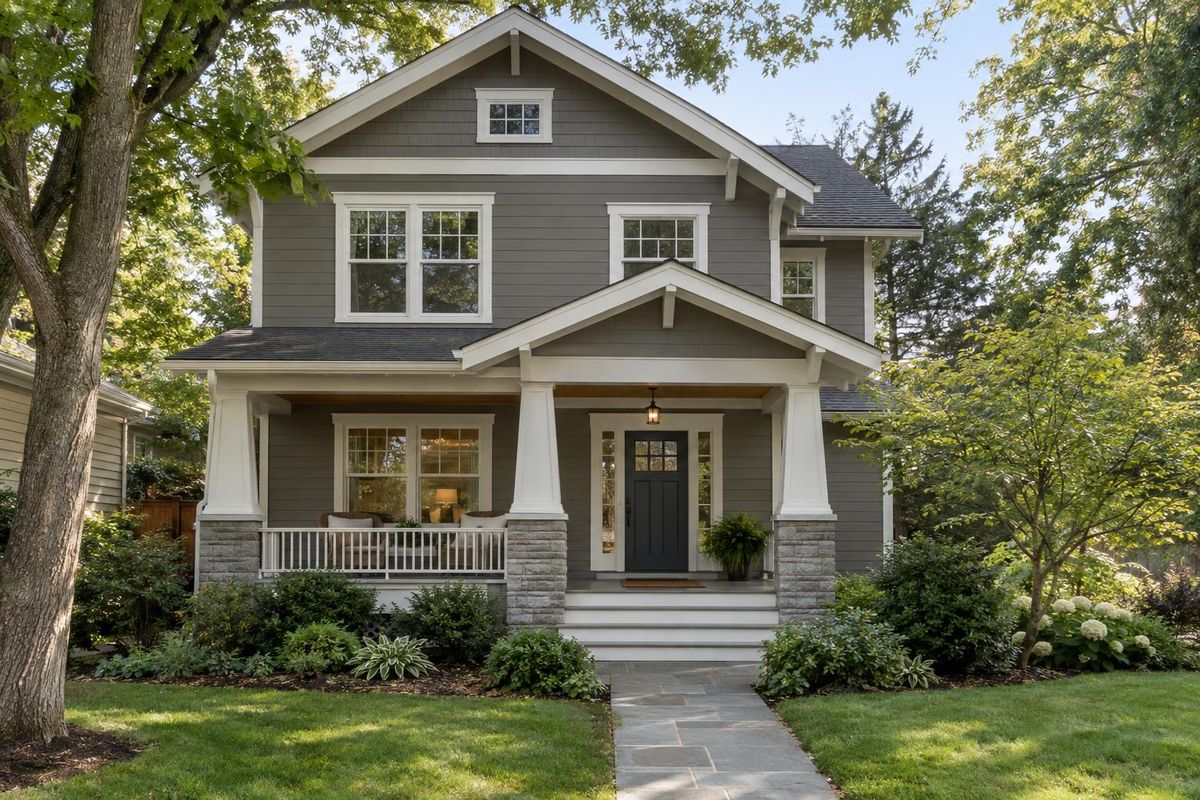
Rough textures, new drywall and unprimed wood soak up more paint. Smooth, previously painted walls need less. Exterior siding with grooves, brick and stucco takes more than smooth surfaces.
Trim, doors and cabinets are measured separately, and they use small amounts of higher-gloss paint.
Leave a little extra
It helps to have some leftover for touch-ups, and to buy all the paint for a room at the same time so the color batch matches. Label the cans with the room and keep them for future repairs.
When we paint for you, we handle the estimate and the ordering.
Quick answers
How much paint does an average room need?
A typical bedroom with two coats on walls often takes about two gallons, depending on size and color change.
Should I buy primer too?
Yes if the walls are new, stained, patched or changing dramatically in color.
Can I save leftover paint?
Yes. Store it sealed, away from heat and freezing, and label it for touch-ups.